
WHICH ELECTRIFIED LEXUS IS RIGHT FOR YOU?
Every Lexus electrified model shares the same comfort and quality you expect. What changes is how it's powered. Find your path below.

Hybrid
No plug, required. The battery charges itself.
- A small battery is automatically charged by the gas engine and through energy recovered during braking.
- The electric motor helps power the vehicle at lower speeds and reduces the workload on the gas engine, helping improve fuel efficiency.
- There’s no need to plug in or switch between driving modes. Just drive and let the hybrid system work seamlessly in the background.
Ideal for: Drivers who don’t have consistent access to charging, such as those with street parking, no garage, or apartment living, or who want the benefits of electrification without changing the way they drive or fuel up.
Up to 46 COMBINED MPG
Plug-in Hybrid
Electric power for daily driving, gas for the long haul.
- A larger battery, charged externally, powers the vehicle electrically for daily driving, commutes, errands, school runs, and more.
- Once it's depleted, or you're heading out on a longer trip, the gas engine takes over automatically, so you're never limited by range. Just plug in when you can, and let the system handle the rest.
Ideal for: Drivers who can charge at home or work, whose daily driving stays within electric range most days, and who still want the freedom to cross the island on weekends without planning around chargers.
Up to 38 mi electric range


Battery Electric
No gas engine, no gas stops. Power comes from the battery alone.
- One or two electric motors draw power directly from a large battery pack, which you charge by plugging in at home, at work, or at a public station.
- Since there's no combustion engine to maintain, you get lower running costs than gas, along with less scheduled maintenance like oil changes and fewer moving parts overall.
Ideal for: Drivers with reliable charging access whose typical driving habits comfortably fit within a single charge.
Up to 307 mi range
| Powertrain | Best for you if... | How it works | Charging | What you give up |
|---|---|---|---|---|
| Hybrid |
|
A gas engine and small battery work together. The battery charges itself from the engine and braking. | Never required. | No electric-only driving, and smaller mileage gains than a plug-in hybrid or battery electric vehicle. |
| Plug-in Hybrid |
|
Larger battery drives the car electrically until depleted, then switches to hybrid mode automatically. | Optional. Skip it and lose the electric benefit. | Still has an engine to maintain and electric range is short as a standalone EV. |
| Battery Electric |
|
The battery powers the car directly. There's no gas engine, so charging is the only way to refuel. | Required. | No gas backup. Longer trips need planning around charging stops. |
Hybrid
Best for you if...
- You want better efficiency without changing your routine
- You can't charge regularly
How it works
A gas engine and small battery work together. The battery charges itself from the engine and braking.
Charging
Never required.
What you give up
No electric-only driving, and smaller mileage gains than a plug-in hybrid or battery electric.
Plug-in Hybrid
Best for you if...
- You can charge at home or work and want daily electric range
- You want a gas engine for longer trips
How it works
Larger battery drives the car electrically until depleted, then switches to hybrid mode automatically.
Charging
Optional. Skip it and lose the electric benefit.
What you give up
Still has an engine to maintain and electric range is short as a standalone EV.
Battery Electric
Best for you if...
- You have reliable access to charging
- Your daily drive fits comfortably in the range
How it works
The battery powers the car directly. There's no gas engine, so charging is the only way to refuel.
Charging
Required.
What you give up
No gas backup. Road trips need planning around charging stops.
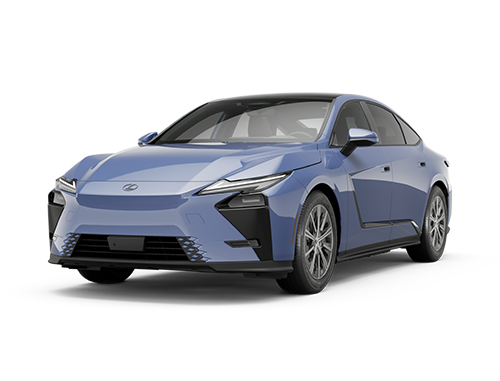
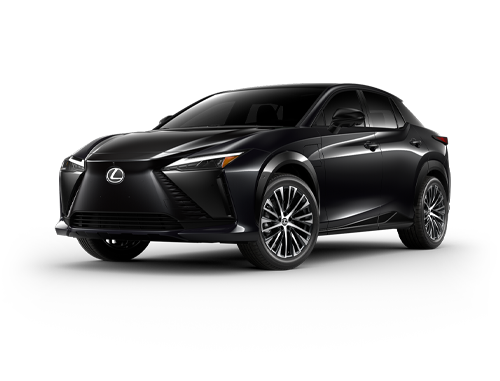
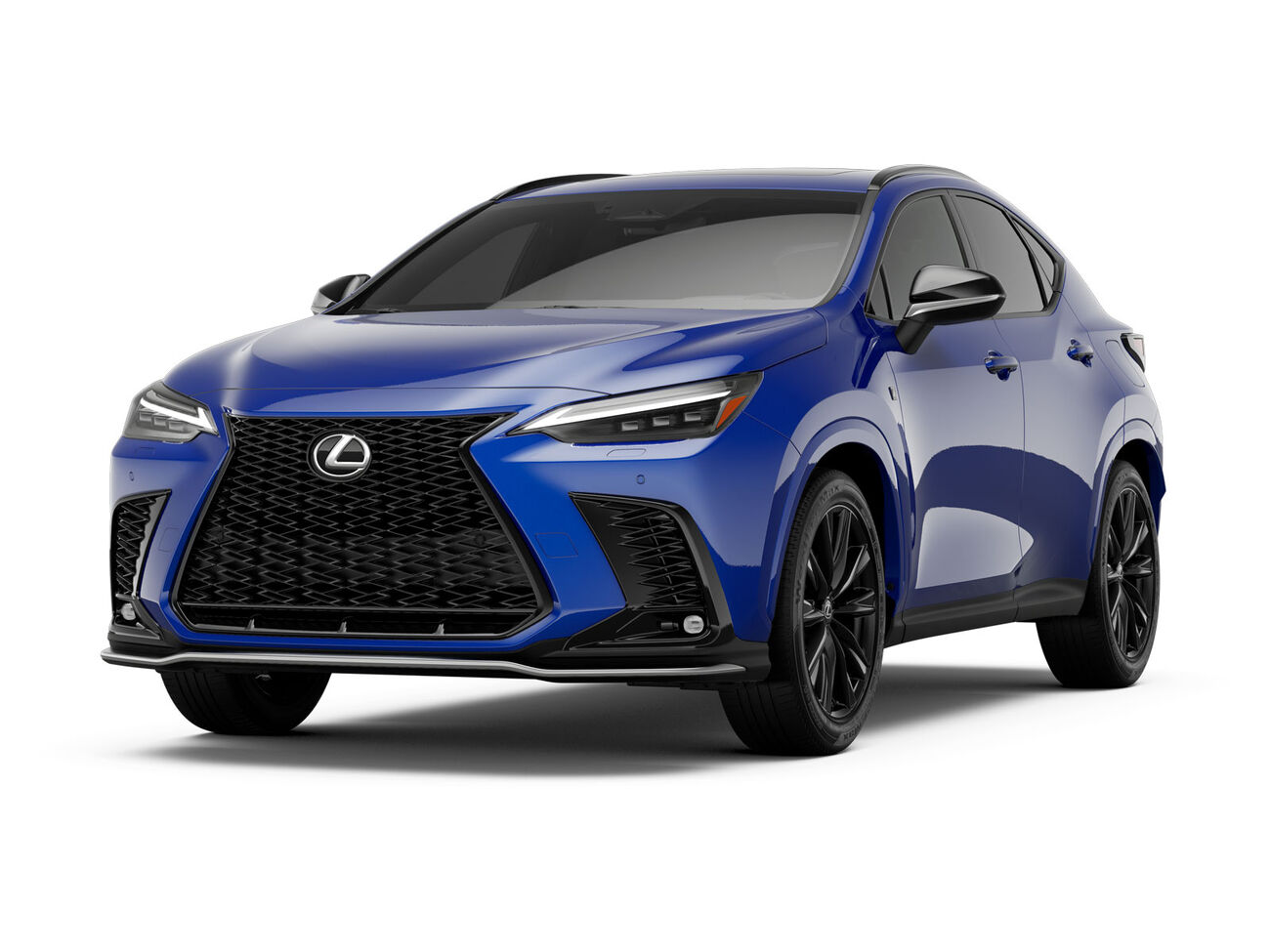
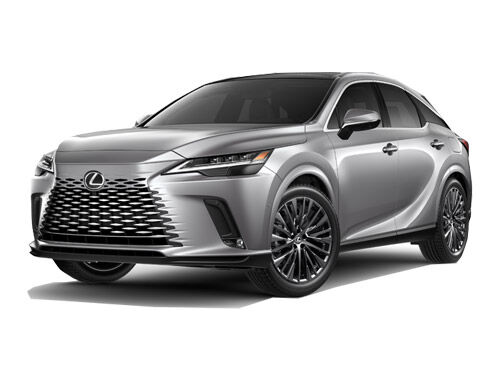
THE LEXUS ELECTRIFIED LINE
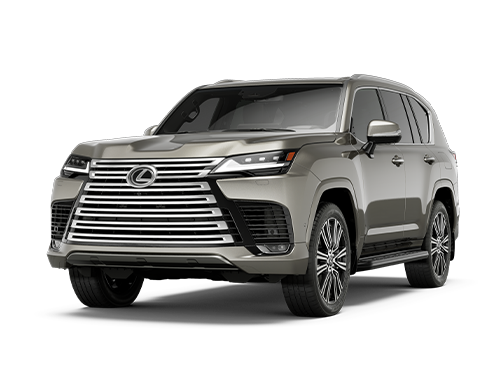
Explore our impressive lineup of fuel-efficient vehicles and find your ideal electrified Lexus.
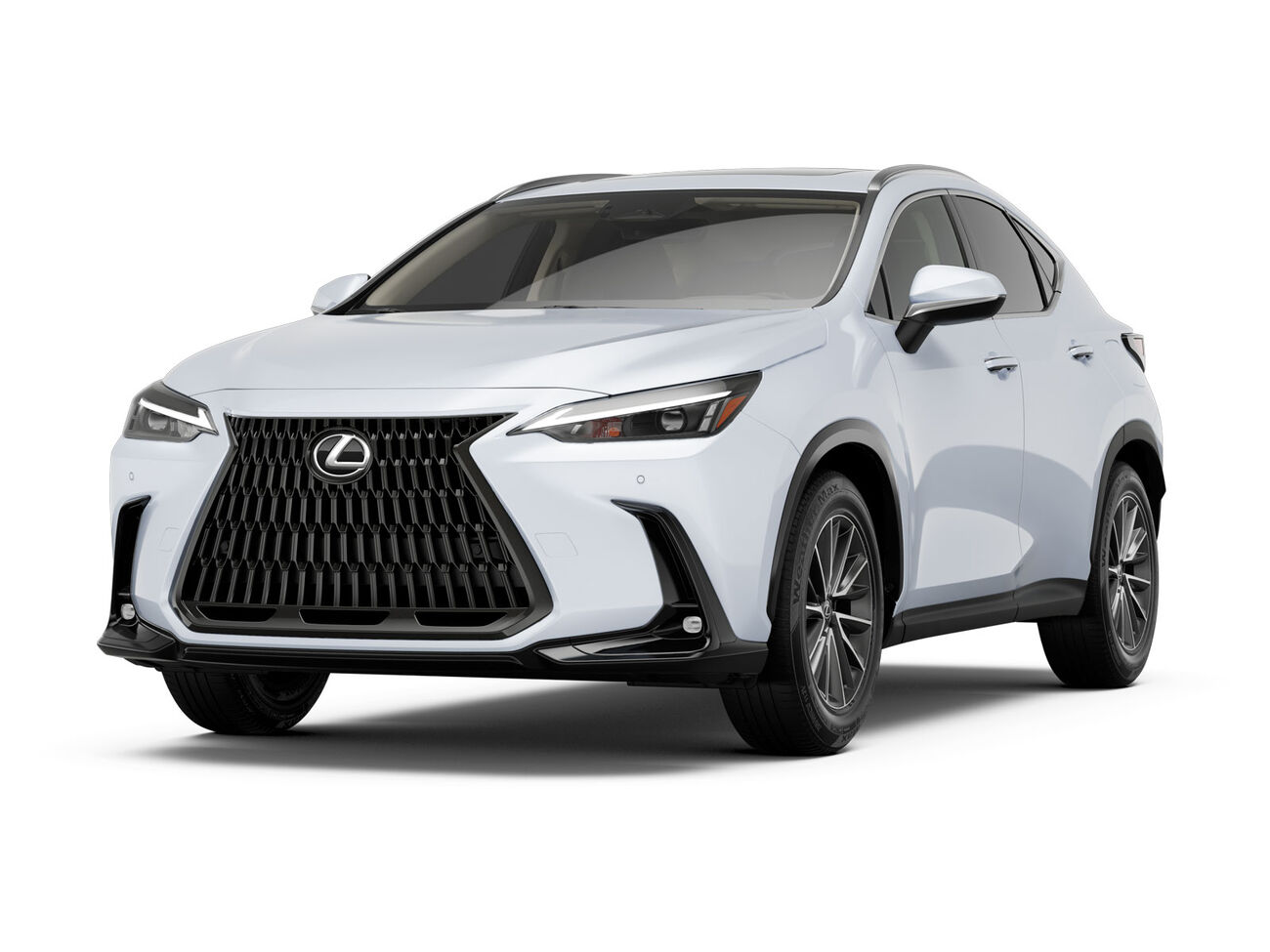
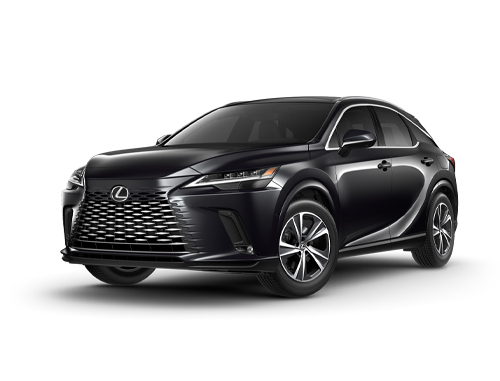

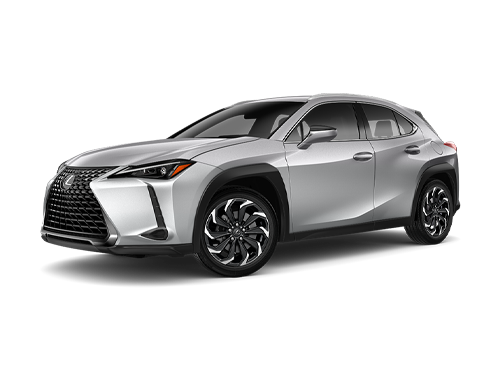
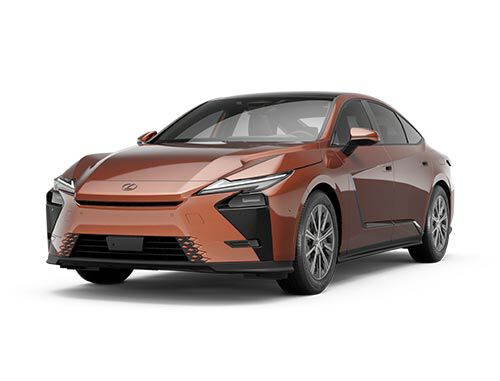
YOUR DRIVING EXPERIENCE, ELECTRIFIED


Charging, Made Easy
Charging works around your day, not the other way around. Here's how the three levels compare:

Level 1
EASY (HOME)
Plug into a regular 120-volt household outlet, no installation needed. Ideal for people with a short daily commute.
~4 mi of range per hour{11}

Level 2
FASTER (HOME OR PUBLIC)
Uses a 240-volt charger, which charges faster than Level 1. Available at public stations and can also be installed at home by a licensed electrician for convenience.
Full charge overnight
Level 3
FASTEST (PUBLIC ONLY)
DC fast charging is available only at public stations (not for home use). Available for battery electric models
DC fast charge (10-80%){12} ~30 min
On Oʻahu, charging costs vary by time of day: roughly $0.17/kWh midday, $0.34/kWh overnight, and $0.53/kWh during evening peak hours.
Charging overnight or midday is the easiest way to save.
Which Charger Fits Your Vehicle?
Every electrified Lexus model uses a slightly different combination of charge port, connector, and onboard charger. Here’s how they compare.
| Vehicle | Type | AC port (L1/L2) |
DC fast charge | Onboard charger | Notes |
|---|---|---|---|---|---|
| RZ 2023–2025 | BEV | J1772 | CCS1 | 6.6–7.6 kW | Needs a CCS-to-J3400 adapter to use NACS plugs; Lexus is providing one complimentary NACS adapter through dealers. |
| RZ 2026+ (350e / 450e / 550e) | BEV | NACS (J3400) | NACS (J3400), up to 150 kW | 11 kW | First Lexus BEV with a NACS inlet standard. Ships with adapters for J1772 and CCS backward compatibility. 10–80% in about 30 min. |
| ES 350e / ES 500e (2026–2027) | BEV | NACS (J3400) | NACS (J3400), up to 150 kW | 11 kW | Power-operated port on the passenger-side front fender; a CCS (J1772)-to-NACS adapter is included. 10–80% in about 28 min, roughly 7 hrs on L2. |
| NX 450h+ | PHEV | J1772 | None | 7 kW | About 3 hrs on 240V. |
| RX 450h+ | PHEV | J1772 | None | 6.6 kW | About 2.5 hrs on 240V. |
| TX 550h+ | PHEV | J1772 | None | 7 kW | About 3 hrs on 240V. |
| Hybrids (ES 350h, UX 300h, NX 350h, RX 350h/500h, TX 500h, LX 700h, etc.) | HEV | None | None | N/A | Self-charging, no plug. |
RZ 2023–2025
Type
BEV
AC port (L1/L2)
J1772
DC fast charge
CCS1
Onboard charger
6.6–7.6 kW
Notes
Needs a CCS-to-J3400 adapter to use NACS plugs; Lexus is providing one
complimentary NACS adapter through dealers.
RZ 2026+ (350e / 450e / 550e)
Type
BEV
AC port (L1/L2)
NACS (J3400)
DC fast charge
NACS (J3400), up to 150 kW
Onboard charger
11 kW
Notes
First Lexus BEV with a NACS inlet standard. Ships with adapters for
J1772 and CCS backward compatibility. 10–80% in about 30 min.
ES 350e / ES 500e (2026–2027)
Type
BEV
AC port (L1/L2)
NACS (J3400)
DC fast charge
NACS (J3400), up to 150 kW
Onboard charger
11 kW
Notes
Power-operated port on the passenger-side front fender; a CCS
(J1772)-to-NACS adapter is included. 10–80% in about 28 min,
roughly 7 hrs on L2.
NX 450h+
Type
PHEV
AC port (L1/L2)
J1772
DC fast charge
None
Onboard charger
7 kW
Notes
About 3 hrs on 240V.
RX 450h+
Type
PHEV
AC port (L1/L2)
J1772
DC fast charge
None
Onboard charger
6.6 kW
Notes
About 2.5 hrs on 240V.
TX 550h+
Type
PHEV
AC port (L1/L2)
J1772
DC fast charge
None
Onboard charger
7 kW
Notes
About 3 hrs on 240V.
Hybrids
Vehicles
ES 350h, UX 300h, NX 350h, RX 350h/500h, TX 500h, LX 700h, etc.
Type
HEV
AC port (L1/L2)
None
DC fast charge
None
Onboard charger
N/A
Notes
Self-charging, no plug.
Charging Across Hawaiʻi
Public charging is already well established across the islands, and growing every year.
Range, Made Simple

Hawaiʻi drivers average well under 30 miles a day, comfortably inside range for any electrified Lexus.
Vehicle range is impacted by a variety of factors such as:
- Vehicle Speed
- Where & How You Drive
- Outside Temperature
- HVAC & Accessory Use
- Charging Habits
Quick Answers
Lexus offers three types of electrified vehicles: hybrid, plug-in hybrid, and all-electric (referred to as Battery Electric, Battery EVs, BEVs, or simply EVs).
Hybrid (HEV) – never plugs in. It charges its battery on its own through the engine and regenerative braking.
Plug-in Hybrid (PHEV) – can plug in. You get a decent electric-only range, but it still has a gas engine to fall back on.
Battery Electric (BEV) – always plugs in. No gas engine at all, it's 100% electric power.
Which one fits my driving habits?
• Choose Hybrid if you don't have easy access to a charger, like no home garage or nearby charging stations. You drive long distances often and want better gas mileage without changing your routine at all.
• Choose Plug-in Hybrid if you have a place to charge at home or work and most of your daily driving is short trips. However, you still want the freedom to take longer trips across the island without worrying about charging stops.
• Choose Battery Electric if you can charge reliably at home or work. Your daily driving fits comfortably within the vehicle's range, and you're ready to rely on charging stations for longer trips.
All-electric vehicles can offer drivers convenience, potential savings, and can help the environment by reducing CO2 emissions. They’re also fun to drive, courtesy of the immediate torque response from the electric motors, DIRECT4 all-wheel drive technology, as well as the smooth acceleration and quiet cabin.
All-electric vehicles can also be conveniently charged at home, overnight and on-demand, as well as at public charging stations when out and about. No more trips to the gas station required.
Battery Electric Vehicles will bring the biggest change to your driving habits. Since it runs purely on a battery, you'll want to plan ahead for charging stops on longer trips.
Hybrids and Plug-in Hybrids are different. You can refuel at any gas station whenever you want, just like a normal car, so your everyday driving habits stay the same.
Thanks to the use of electric motors instead of internal combustion engines, all-electric vehicles provide smooth acceleration, immediate torque response and a surprisingly quiet ride experience.
The driving range of an all-electric vehicle will vary depending on how/where you drive, charging habits, accessory use, outside temperature and other factors. Battery capacity also decreases with time and use, which will reduce range.
Gradual acceleration, flat terrain, and even pre-conditioning the temperature of your Lexus while it’s plugged in can potentially have a positive effect on driving range. However, please note that all-electric driving range may decrease significantly depending on speed, outside temperature, accessory use, how/where you drive, charging habits and other factors. Battery capacity also decreases with time and use, which will reduce range.
Yes, that's Level 1 charging. It's slower, but works great for short commutes or plug-in hybrids.
You get instant torque for quick, responsive acceleration, a noticeably quieter cabin, and lower running costs over time.
And if you go fully electric with a BEV, you get the added bonus of zero tailpipe emissions.